The Bells
The town votes to retune its bells. The new sound is better, but the old sound had a person inside it.
A twenty-two-minute short film opens the door to a returning six-part half-hour series about a Veneto hill town that chooses to run itself deliberately — and discovers that every civilised improvement has a cost.
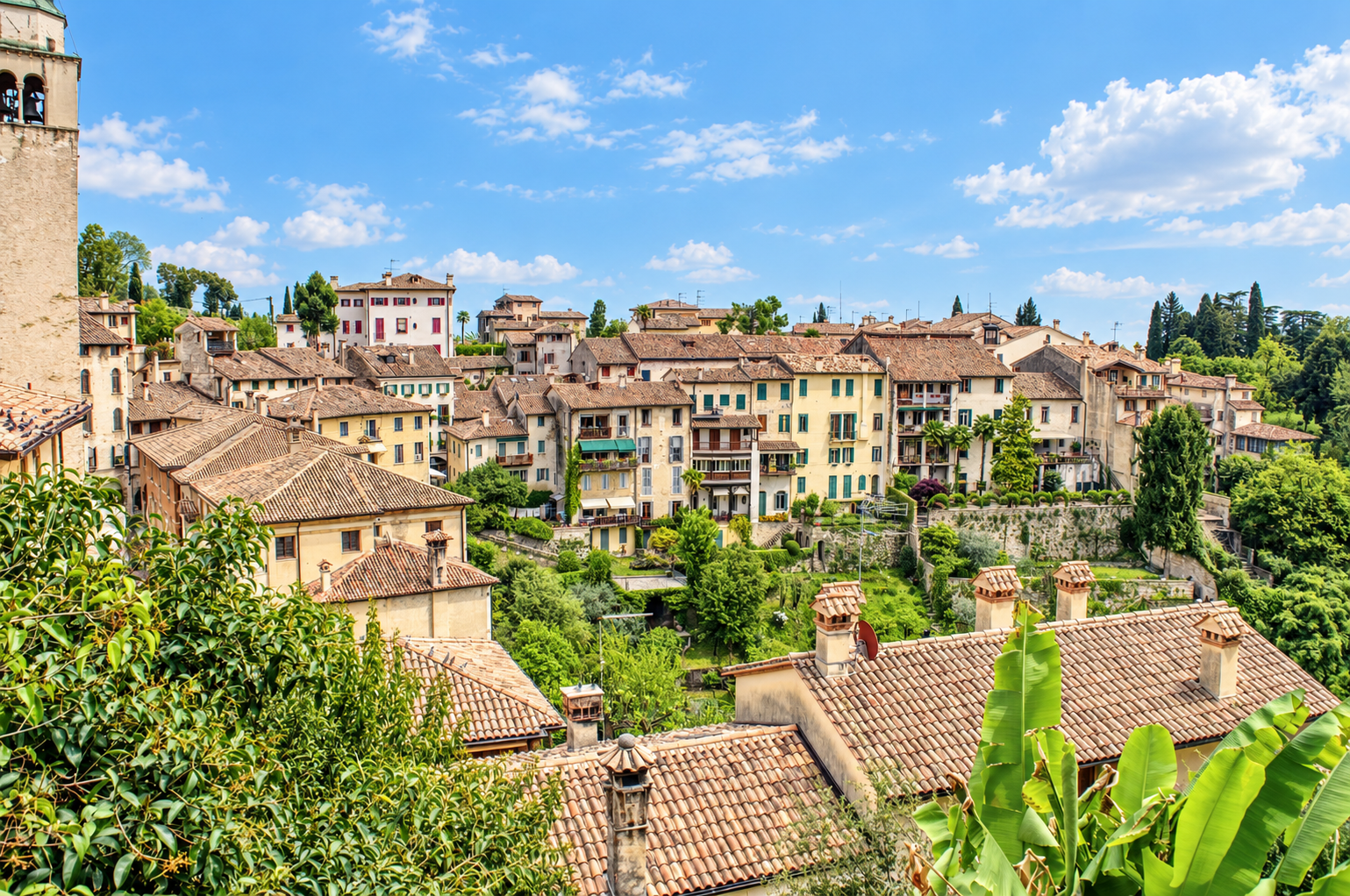
DREAMERS is designed as a contained, festival-shaped film with six speaking parts and a genuine turn. ASOLANDO takes the humane, faintly improbable town glimpsed inside it and asks what happens when its decisions must survive ordinary civic life.
The two works belong together, but each has its own dramatic shape. The short can be made economically and stand alone; the series has a repeatable engine in which the town decides one thing in each episode, the decision works, and somebody pays for it.
After an accidental supper of Steve's foraged mushrooms, failing novelist Franco falls asleep at his usual café table and wakes into another Asolo: the cars have gone from the square, the bells are rung by hand, hungry people are fed, and culture has ceased to be treated as decoration.
The place is neither perfect nor magical. Its mayor describes meetings, lawyers, regional authorities and paperwork; property owners object, businesses complain, and half the town considers the other half corrupt. It works because things need not be perfect to be better.
Franco wakes to the old town, but finds a warm, slightly greasy paper bag in his pocket carrying a sentence he recognises. In a forgotten notebook at home, the same thought appears in his own handwriting from fifteen years before. The miracle is not that his dream was real. It is that the humane idea was his, and he did nothing with it.
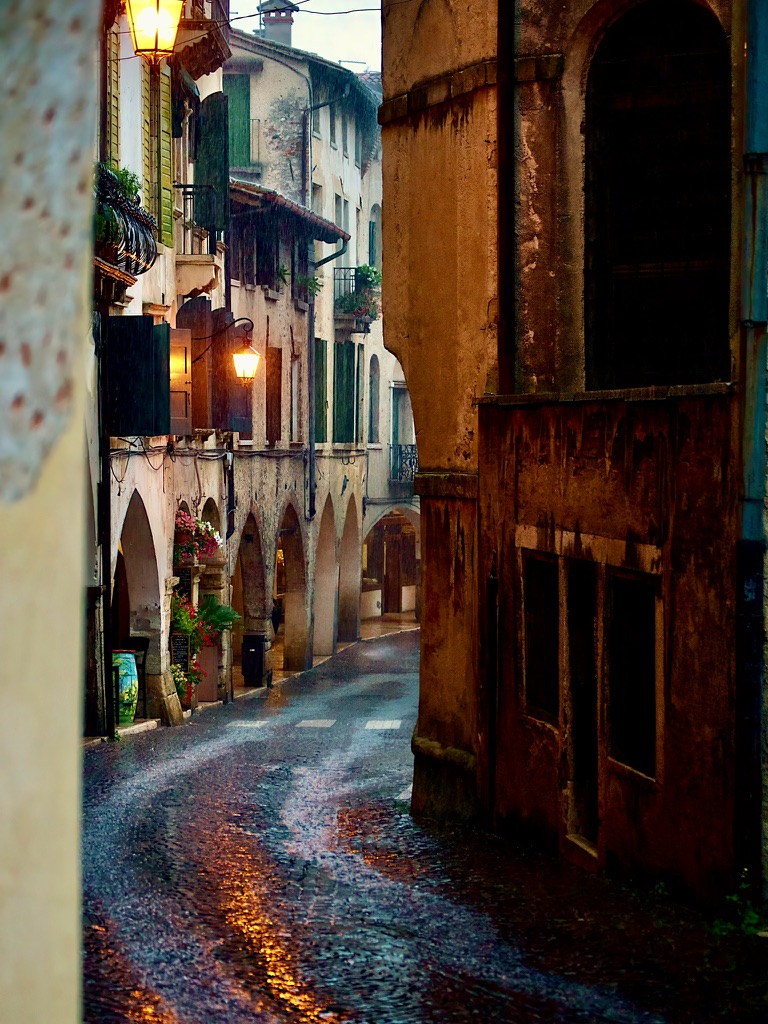
Its arcades, thresholds and civic spaces give the story its scale: public decisions entering ordinary lives.
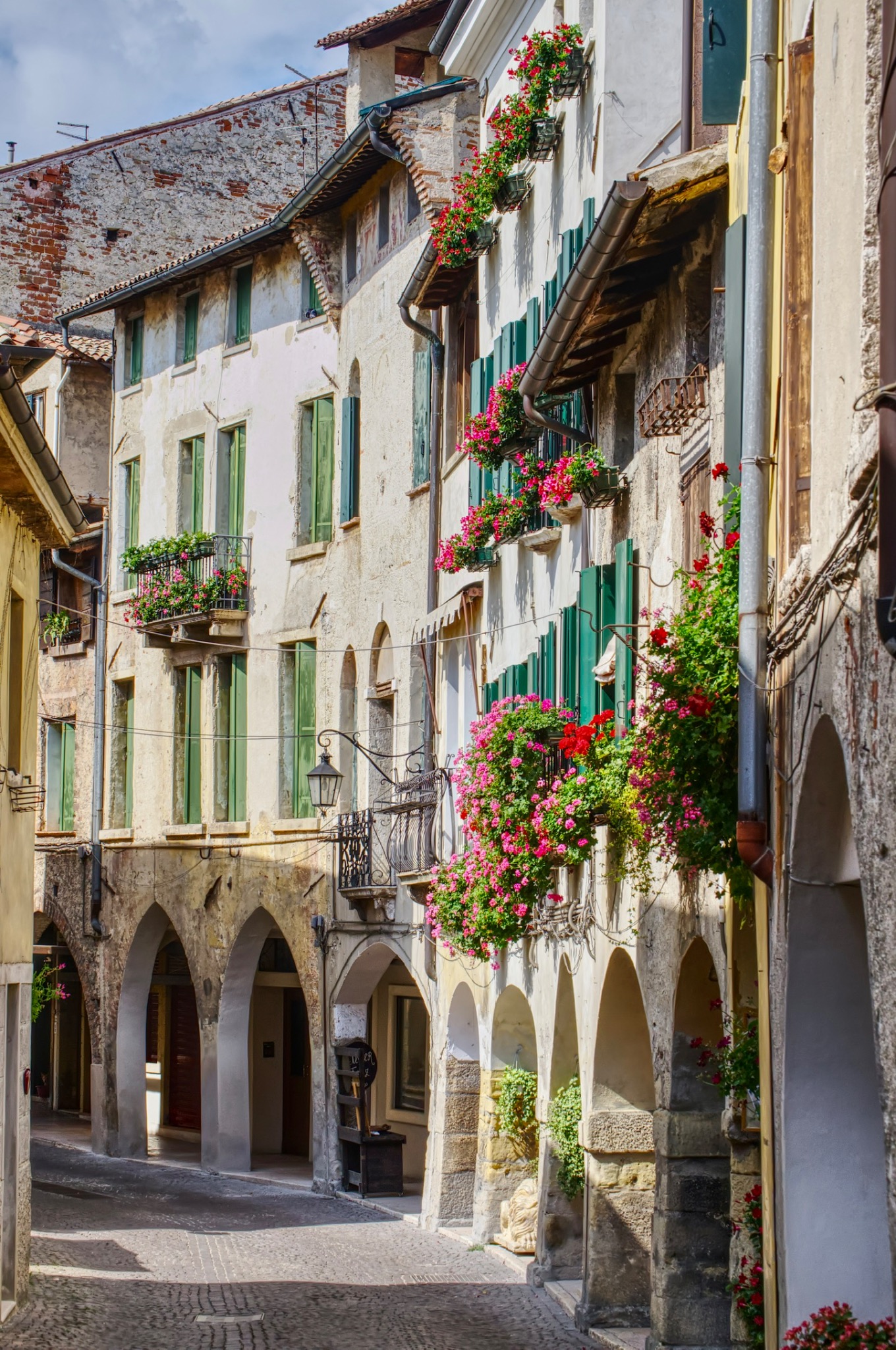
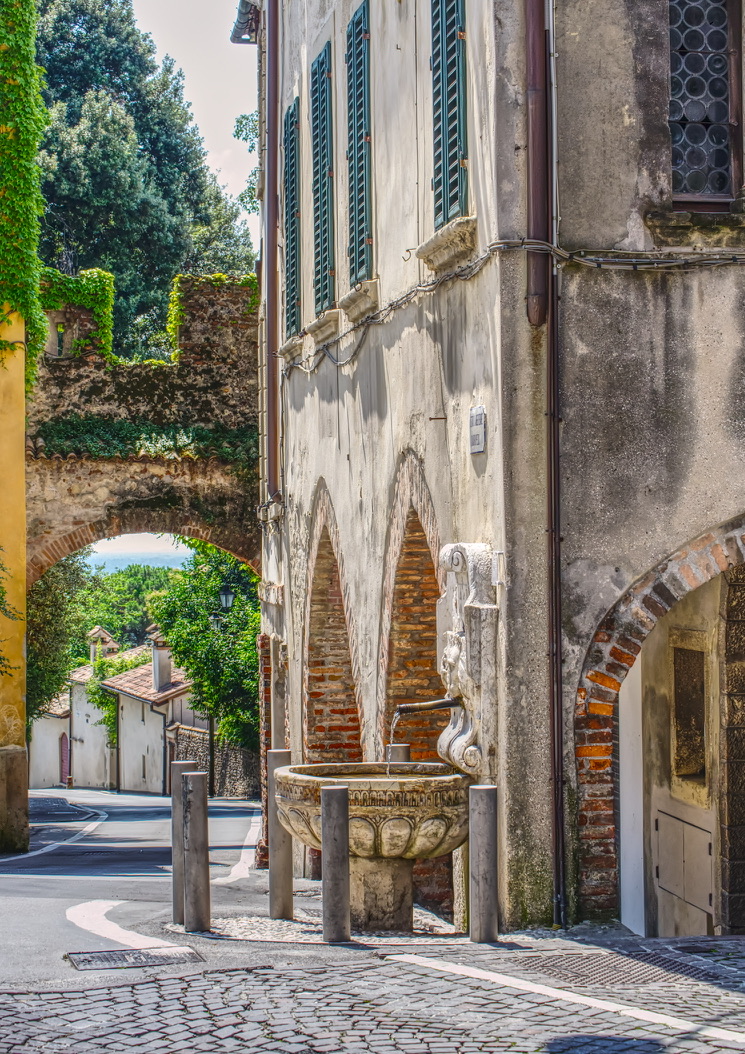
The series is warm, dry and precise: civic machinery played straight by intelligent people who are all, inconveniently, right.
The town votes to retune its bells. The new sound is better, but the old sound had a person inside it.
Ceremonial citizenship improves behaviour and exposes exactly who a beautiful definition excludes.
A courteous vote on pedestrian safety becomes the first time the town excludes people simply because it dislikes the look of them.
An audit of the albergo diffuso finds a person who is not a problem, inside paperwork that cannot describe her.
A successful service cooperative discovers the difference between a uniform and the authority that should come with one.
A television crew arrives, and Asolo must decide whether becoming visible will destroy the thing it wants the world to see.
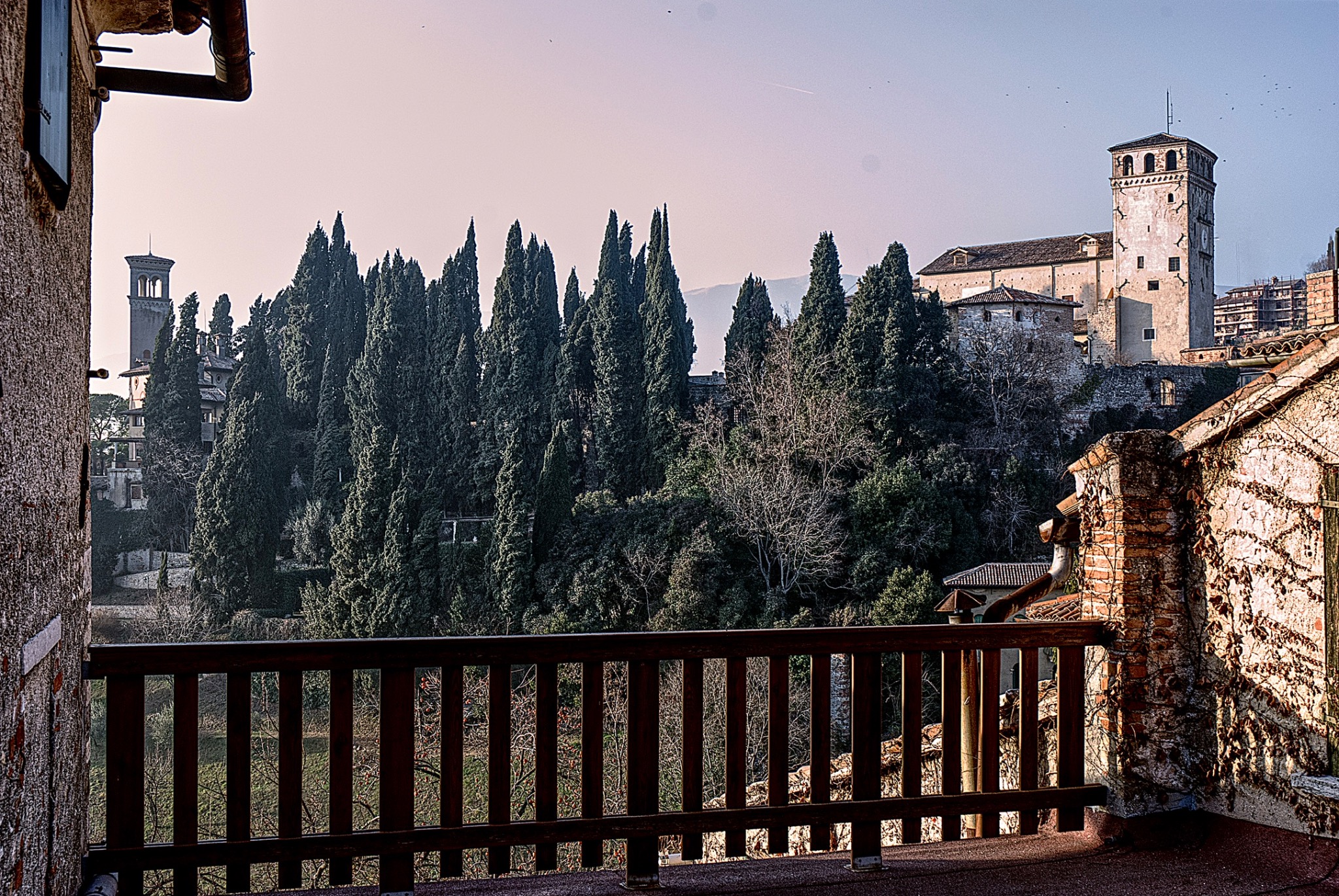
The fictional Asolo has won enhanced local administrative control through elections, regional authorities, lawyers and paperwork. Uniformed municipal police remain in place; parking, visitors, late-night noise and town-centre assistance are handled by stewards employed through a local service cooperative.
This distinction is deliberate. It keeps the comedy anchored in recognisable process and supplies the moral problem at the centre of the fifth episode.
Mechanised bells become hand-rung ones. Engine noise leaves the centre. A quiet surface over the cobbles lets laughter carry. A live brass ensemble marks six o'clock under an arch.
Each episode opens on the town's soundscape and closes on it altered. The bells have a dramatic arc of their own; the sound lost in the first episode never returns. For a composer writing the project, this is not atmosphere applied afterwards, but authored structure.
DREAMERS is adapted from the short story by Anthony Gustav Morris. The linked document is the current combined development treatment for the short film and series.
← Current Projects